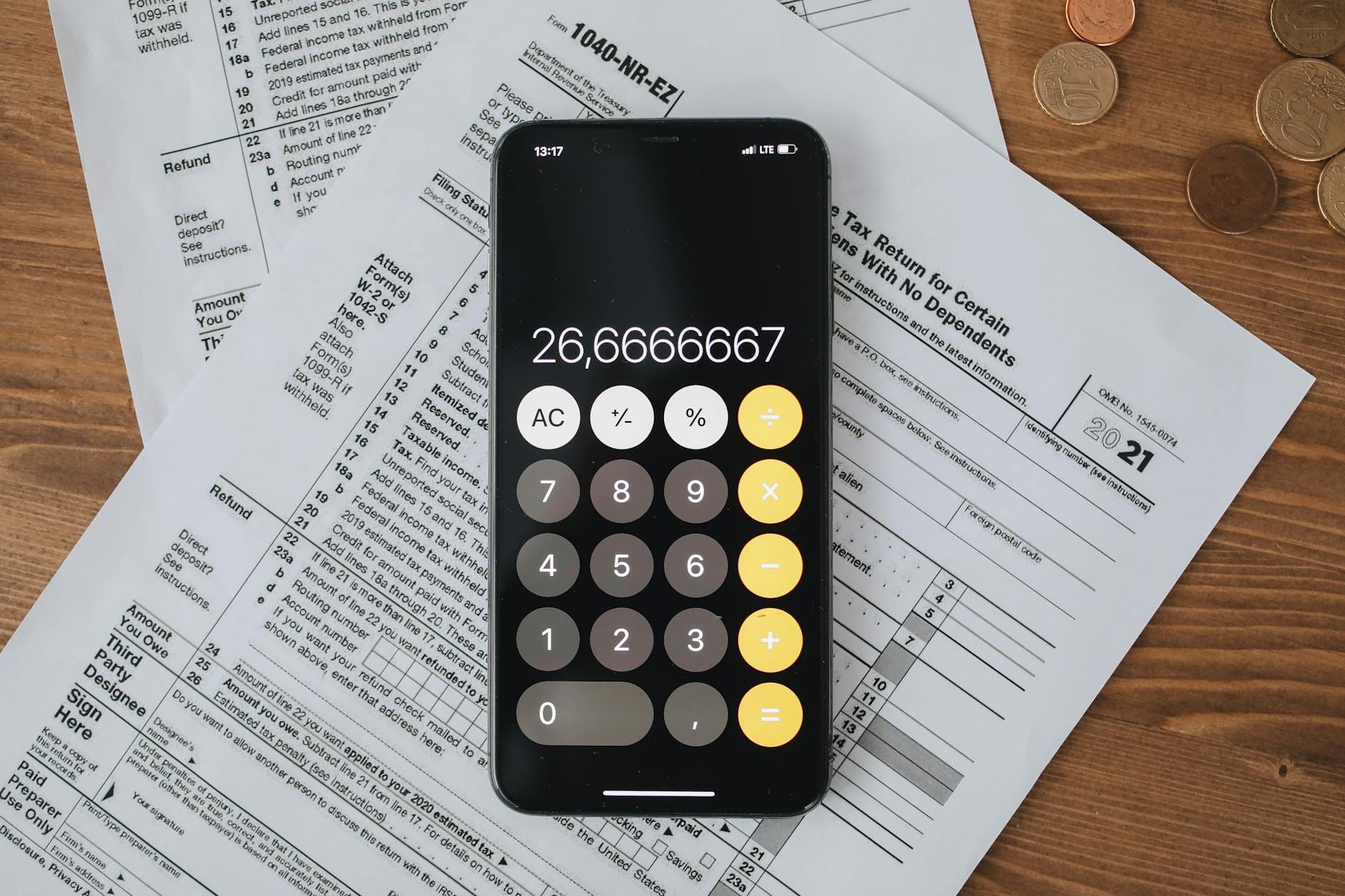
Making Tax Digital for Income Tax went live on 6 April 2026. By 5 August — about ten weeks from now — every UK sole trader and landlord with combined turnover above £50,000 must have filed their first quarterly update with HMRC, through compatible software, covering the period from 6 April to 5 July. That deadline is a real one. The penalty regime that comes with it is also real, even if HMRC has gently signalled it will be lenient in year one.
The number of people in scope this year is roughly 800,000, according to HMRC's own published estimates from the 2025 readiness review. The number who have actually opened a compatible software account, linked it to their HMRC Government Gateway, and started recording the necessary transactional detail is materially smaller — anecdotal evidence from accountants in trade press through April and May suggests fewer than half of affected sole traders have completed step one, let alone step three.
For anyone reading this in late May, the realistic question is no longer "should I prepare?" It is "what is the minimum viable preparation between now and August?"
What MTD ITSA actually requires (in plain English)
Self-assessment as a process is not being abolished. It is being broken into four quarterly updates plus an annual finalisation, all submitted digitally through approved software. The four quarterly windows for the 2026/27 tax year are:
- Q1: 6 April to 5 July, filed by 5 August 2026
- Q2: 6 July to 5 October, filed by 5 November 2026
- Q3: 6 October to 5 January, filed by 5 February 2027
- Q4: 6 January to 5 April, filed by 5 May 2027
The annual final declaration — which replaces the old self-assessment return — is due by 31 January 2028, the same date as the current self-assessment deadline. The tax payment dates have not changed: payments on account are still due 31 January and 31 July.
The quarterly updates themselves are not tax returns. They are summaries of income and allowable expenses for the period, in standard HMRC categories. No tax is calculated from them. They exist to give HMRC running visibility of the sole trader's income across the year, rather than a single snapshot in January.
Who is in this year, and who has another year
This is the single most-asked question of accountants in May 2026, and the source of most of the confusion. The threshold is based on gross turnover from self-employment and property income in the 2024/25 tax year, the most recent year for which a self-assessment has been filed.
- Turnover over £50,000 in 2024/25: in scope from 6 April 2026, first quarterly deadline 5 August 2026.
- Turnover between £30,000 and £50,000 in 2024/25: in scope from 6 April 2027, first quarterly deadline 5 August 2027.
- Turnover between £20,000 and £30,000 in 2024/25: in scope from 6 April 2028.
- Turnover below £20,000: no MTD ITSA obligation announced for now (this may change at a future fiscal event).
Combined income matters. A teacher with £40,000 of PAYE salary, £15,000 of tutoring income and £20,000 of buy-to-let rental income is in this year because the £35,000 of self-employment plus property income exceeds £30,000 — but the PAYE income is irrelevant to the threshold. (PAYE earnings stay outside MTD ITSA entirely. The employer's RTI filings already give HMRC the data it needs there.)
The software question
HMRC's list of approved software runs to over 30 products at the time of writing, but in practice the UK sole-trader market has consolidated around four or five names. FreeAgent (free with a NatWest or Royal Bank of Scotland business current account) and QuickBooks Self-Employed are the cheapest options. Xero and Sage are dominant among accountants who already file for their clients. Cashplus and ANNA Money offer integrated banking-and-bookkeeping products that suit single-person businesses that want the simplest possible setup.
The honest call is this: any approved software will satisfy the legal requirement. The differences between products are about workflow, not legitimacy. A sole trader spending two hours a month on invoicing should pick the cheapest option that lets them tick boxes quickly. A sole trader spending two hours a week on a complex consultancy practice should pick whatever their accountant uses, even if it is more expensive — because their accountant is the one who will have to finalise the year-end declaration.
(There is one trap worth naming. Spreadsheets are technically still allowed — provided they connect to HMRC through "bridging software". This is what most people are told in May who panic about not having a subscription. In practice, the bridging-software workflow is more complicated than just using a proper bookkeeping product, and most accountants quietly steer clients away from it. If you are starting fresh in May 2026, do not start with a spreadsheet.)
What the first quarterly submission actually looks like
The Q1 update covers three months of trading. For a small sole trader — a freelance designer, a gardener, a single-property landlord — it will typically include:
- Total turnover broken down into the HMRC income categories
- Allowable expenses by category: travel, premises, office costs, professional fees, materials, staff costs
- Use of home as office, if claimed
- Mileage, if claimed (under the simplified expenses rules)
That is the entire submission. No tax calculation, no reconciliation against last year, no payment. The software does almost all of it from the transaction-level records, provided those records were maintained as the quarter went on. The trap is the sole trader who finds themselves on 1 August trying to categorise three months of bank-statement entries from memory.
What to do this week
If you are in scope this year and have not yet picked software: that is the only task that matters this week. Open an account, link your business bank (most products handle this through Open Banking in under ten minutes), and connect the software to HMRC through your Government Gateway login. The connection step usually takes a single business day for HMRC to confirm.
If software is already set up but no transactions have been categorised since April, block out two hours this weekend to do the back-catalogue of the first six weeks. The longer this is left, the more nights of three-hours-on-a-laptop it eventually costs in late July.
The penalty for a missed quarterly update under the new points-based regime is one point. Four points triggers a £200 penalty. HMRC has indicated a soft-landing for the first year — penalties will not be issued for genuine first attempts that miss the deadline — but the discretion is HMRC's, not the sole trader's. The defensive position is to file on time even if the data is incomplete; corrections can be made in the next quarter.
The 800,000 number is not the story. The story is the smaller, harder-to-count number of those 800,000 who file a clean Q1 in August and then find that the rest of the year actually feels lighter than self-assessment ever did. That outcome is genuinely available. It just requires ten weeks of unflashy preparation that most people have not yet started.