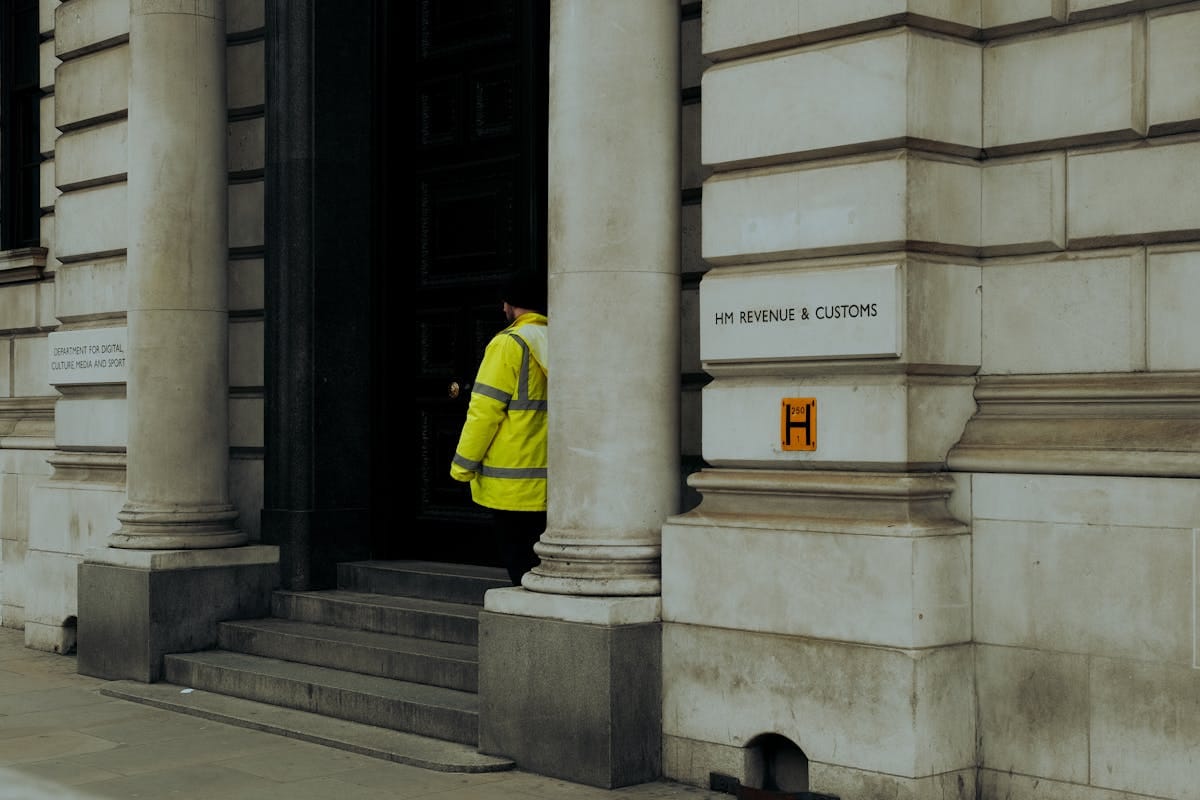
People who started earning untaxed income in the 2025/26 tax year have until 5 October 2026 to register for self-assessment with HM Revenue and Customs, a deadline that applies before any tax return is filed or tax is paid. The requirement catches new sole traders, landlords and those with side income who have not previously needed to complete a return.
Registration is the step that tells HMRC a person needs to be in the self-assessment system. It is separate from the filing deadlines that follow: an online return for 2025/26 is due by 31 January 2027, with any tax owed payable by the same date.
Who the 5 October deadline applies to
HMRC guidance sets out several circumstances that bring a person into self-assessment. The most common are becoming self-employed with income above the trading allowance, receiving rental income above the property allowance, and earning other untaxed income that cannot be collected through the PAYE system.
The trading allowance and the property allowance each exempt the first portion of gross income of their respective types, set at £1,000 a year. Income below the relevant allowance generally does not need to be declared, while income above it must be reported, even if expenses reduce the taxable profit to a small figure.
- New sole traders and freelancers with gross trading income above the £1,000 trading allowance
- Landlords with gross rental income above the £1,000 property allowance
- Those with other untaxed income, including some income from online platforms and investments outside tax wrappers
The online platform reporting rules
Digital platforms have been required since January 2024 to report seller information to HMRC under rules based on an OECD framework, with the first reports covering the 2024 calendar year. The rules apply to platforms that facilitate the sale of goods and certain services, and HMRC has stressed that the reporting requirement does not change whether a person owes tax.
HMRC has said that occasional sales of personal possessions are generally not taxable, and that the platform reporting rules are an information measure rather than a new tax. Whether tax is due continues to depend on whether the activity amounts to trading and on the income involved.
How registration works
Registration is completed through the HMRC website. A first-time registrant for self-employment receives a Unique Taxpayer Reference and is set up to file online. HMRC advises allowing time for the reference and activation codes to arrive by post, which can take several working days.
Those who have filed before but did not need to in the most recent year may need to tell HMRC if their circumstances change. Penalties can apply for failing to notify HMRC of a liability to tax, separate from the penalties that apply to late filing and late payment.
The dates that follow registration
After registering, the key dates for the 2025/26 tax year are 31 October 2026 for a paper return and 31 January 2027 for an online return and payment. A first payment on account towards the following year may also fall due on 31 January where the tax owed exceeds the threshold for payments on account.
HMRC operates a Time to Pay arrangement for those who cannot pay in full by the deadline, subject to eligibility. The registration deadline of 5 October sits ahead of all of these dates and is the first obligation for anyone newly within self-assessment.