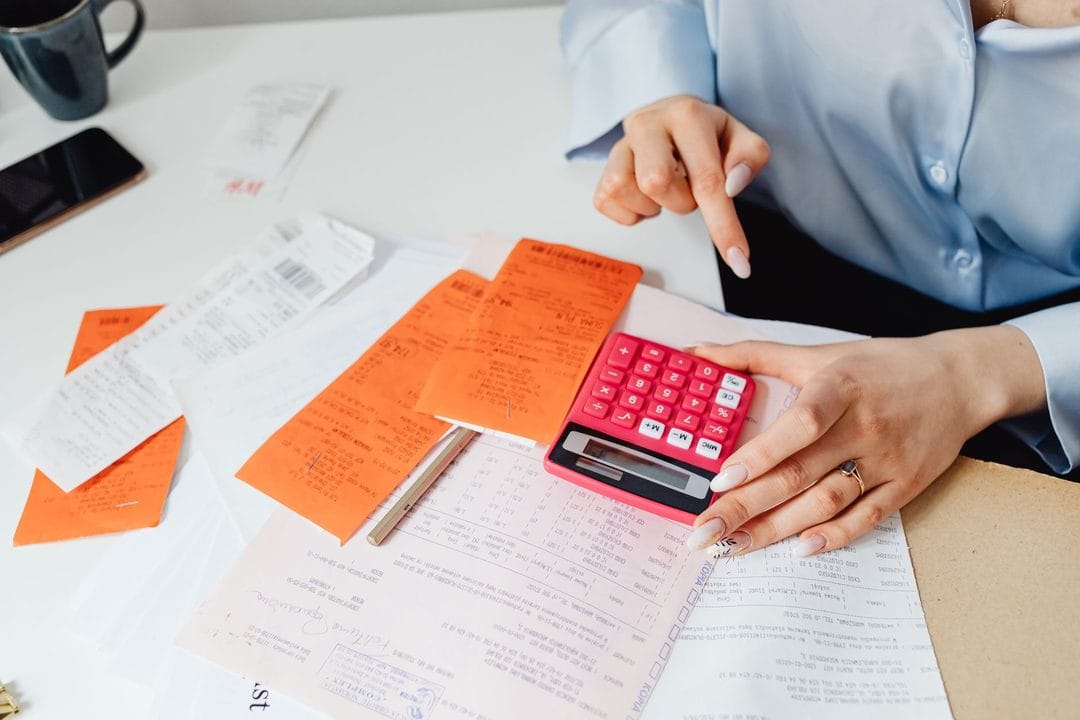
Every sole trader's first self-assessment throws up the same anxious question: what can I actually claim as an expense, and what will land me in trouble with HMRC? Get it right and you pay tax only on your genuine profit, which can save hundreds or even thousands a year. Get it wrong — claim too little out of caution, or too much out of optimism — and you either overpay or invite a letter you'd rather not receive. With the first Making Tax Digital quarterly deadlines now looming for many traders, getting comfortable with allowable expenses is no longer something you can leave until January.
The basic test HMRC applies
An expense is allowable if it's incurred "wholly and exclusively" for the business. That phrase does a lot of work. A laptop you bought purely for client projects is fully claimable. A laptop you also use for streaming films and the kids' homework is not — though you can claim the business-use proportion. The principle running through the whole system is that you can only deduct the part of a cost that genuinely relates to earning your income.
This is where a lot of new traders trip up in both directions. Some claim their entire mobile phone bill when half of it is personal calls. Others nervously claim nothing at all, handing HMRC tax on money they never really pocketed. The honest middle — claim the business portion, keep a note of how you worked it out — is both correct and defensible.
Simplified expenses: HMRC's shortcut
For three of the fiddliest areas, HMRC lets sole traders skip the detailed calculations and use flat rates instead. These "simplified expenses" exist precisely because working out the exact business slice of your home heating bill is a nightmare nobody wants.
- Working from home. Instead of apportioning your actual rent, electricity and broadband, you can claim a flat monthly amount based on hours worked from home — currently £10 a month if you work 25 to 50 hours, £18 for 51 to 100 hours, and £26 a month for 101 hours or more.
- Vehicle mileage. Rather than tracking the business share of fuel, insurance, tax and repairs, you can claim a simple per-mile rate: 45p a mile for the first 10,000 business miles in the year, then 25p a mile after that. Keep a mileage log and you're done.
- Living on business premises. A flat-rate adjustment if you run something like a B&B or a small guesthouse where you also live.
The catch with simplified expenses is that the flat rate isn't always the better deal. If you've genuinely turned a spare room into a dedicated office and your home bills are high, the detailed apportionment method may give you a larger, perfectly legitimate deduction than £26 a month. It's worth running both numbers once and sticking with whichever wins — you can't mix the two methods for the same cost in the same year.
The everyday costs people forget
Beyond the headline items, plenty of ordinary business spending is allowable and routinely overlooked:
- Accountancy and bookkeeping fees, including the software you use to file.
- Bank charges and interest on a business account or business loan.
- Professional subscriptions and trade body memberships relevant to your work.
- Stationery, postage, printing and the unglamorous bits that add up across a year.
- Advertising — a website, business cards, a few months of online ads.
- Training that updates skills for your existing trade (though courses to learn an entirely new trade are not allowable, which surprises people every year).
The ones that aren't allowable, however much you'd like them to be
Some costs feel like business spending but HMRC firmly disagrees. Client entertaining — taking a prospect to lunch — is not deductible, full stop, no matter how essential the deal felt. Ordinary clothing isn't claimable even if you only wear it for work, unless it's genuine protective gear or a branded uniform. Fines and penalties, including parking tickets racked up on the job, are out. And the cost of getting from home to a regular place of work counts as commuting, not a business journey.
Keep the paperwork, or none of it counts
The deduction is only as good as your ability to back it up. HMRC can ask you to evidence any claim, and "I'm fairly sure I spent about that much" won't survive a query. Keep receipts and invoices — digital photos are fine — and hang on to them for at least five years after the 31 January filing deadline for that tax year. Making Tax Digital for Income Tax is pushing more sole traders towards keeping records as they go, which is no bad thing: the trader who logs expenses monthly sails through the year-end, while the one with a carrier bag of crumpled receipts dreads it.
If you're unsure whether something qualifies, the safest move isn't to guess — it's to claim what you can clearly justify and keep a short note of your reasoning for anything borderline. A sole trader who claims their real, evidenced costs pays the right amount of tax and sleeps fine. That's the whole aim.